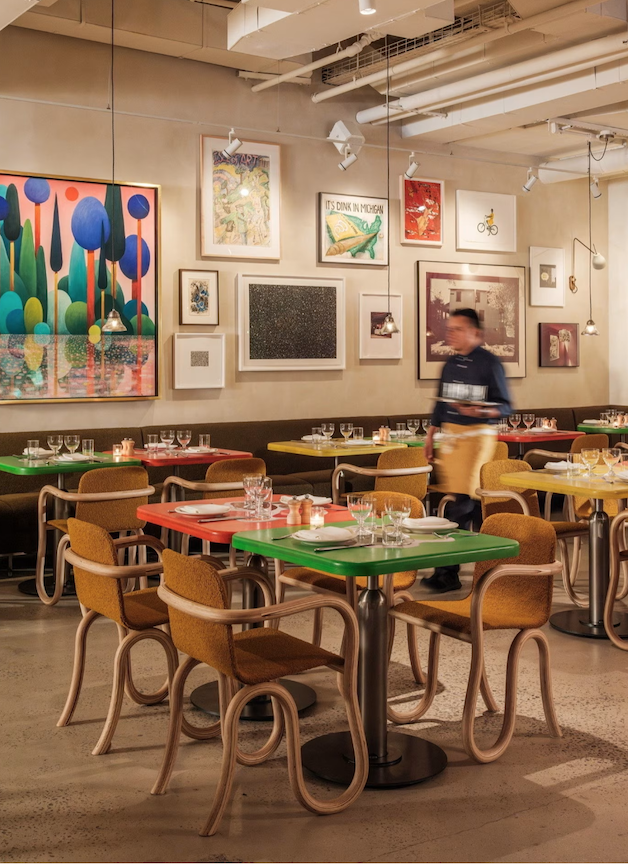
New York’s hottest new restaurants
The tables to book now, from a haute fried-chicken joint to an ultra-cool art destination, classic French cuisine revived and more.
Remember the spate of Covid-19 restaurant closures? Well, those days are long gone, and New York’s top tables are more plentiful — and more difficult to book — than ever before. From new neighbourhood gems in Brooklyn to a reimagined French dining institution on the Upper East Side (and virtually everything in between), the city’s diverse culinary energy is palpable. And while the statistics aren’t favourable for new restaurants (approximately one in three will close in the first year after opening), these establishments are sure to be longer-term winners.
The tables to book now, from a haute fried-chicken joint to an ultra-cool art destination, classic French cuisine revived and more
Remember the spate of Covid-19 restaurant closures? Well, those days are long gone, and New York’s top tables are more plentiful — and more difficult to book — than ever before. From new neighbourhood gems in Brooklyn to a reimagined French dining institution on the Upper East Side (and virtually everything in between), the city’s diverse culinary energy is palpable. And while the statistics aren’t favourable for new restaurants (approximately one in three will close in the first year after opening), these establishments are sure to be longer-term winners.
Coqodaq 12 East 22nd Street, New York, NY 10010
Old-school fine French cuisine has been given a new life by chefs Riad Nasr and Lee Hanson of Frenchette and Le Rock fame. Bringing the winning mix that they started at Balthazar back in the 1990s (perfect steak frites and île flottante), the original institution that was opened in 1937 has been left largely intact with its low-ceilinged, cherry red banquettes-and-checkered tablecloth swagger. The menu — heavy on organ meats, duck and escargots — isn’t for the faint of heart (or the health-obsessed), but it is for those who crave a sense of occasion, a perfectly executed pâté en croute with natural wine pairings and a vibrant atmosphere that is finally bringing the downtown crowd to the Upper East Side. Three-course prix-fixe menu, $125. lvdnyc.com
The ultimate haute fried-chicken restaurant from award-winning restaurateur Simon Kim and the team behind Michelin-starred Cote Korean Steakhouse, Coqodaq has been a runaway success since opening in January thanks to its vibrant scene, sustainability focus and perfectly crispy soy-sauce, garlic-glaze chicken. Vegetables are celebrated here too, with chilled pickled sides adding zesty flavour and crunchy texture. The opulent Flatiron District location, designed, by the Rockwell Group has Korean-American as well as Art Nouveau design touches, with deep-green leather banquettes, walnut finishes and bronze fixtures all enticing hungry guests to linger in 8,000 sq ft of luxury. Mains, $28–$38. coqodaq.com;
SEA West 30th Street, New York, NY 10001
Chef Jungsik Yim — of the eponymous Korean fine-dining restaurant Jungsik, in Tribeca — has turned his talents to SEA, a modern, casual south-east Asian restaurant near Koreatown that is inspired by many different regions, countries, techniques and ingredients. The 80-seat, low-lit space by Kimoy Studios features wooden banquettes and an intimate bar area for walk-ins and is the ideal backdrop for chefs Yim and Jun Hee Park’s inventive, delicious takes on traditional dishes such as crispy pork, informed by Singaporean and Vietnamese preparations of fried pork belly. Other savoury highlights include dry tom-yum noodles (a Korean/Thai mash-up), delicate Vietnamese prawn rolls made with spring-roll papers imported from Ho Chi Minh City and crab fried rice, which fuses crab omelette with Indonesian nasi goreng. The cocktail list is impressive too, with signature the Dirty “Cha Yen” (Thai iced tea meets a strong Old-Fashioned) and the Baby Banana Martini served well into the night. Mains, $34–$54. ny-sea.com
BORGO 124 East 27th Street, New York, NY 10016
From chef Andrew Tarlow (Marlow & Sons, Achilles Heel, Diner), who is widely credited with putting “New Brooklyn” on the foodie map, comes Borgo, a trattoria in NoMad with a welcoming great hearth at its centre. The menu includes vegetable-driven starters and contorni, antipasti (Sicilian garlic dip with Italian almonds), house-made pasta (ancient-grain spaghetti with Calabrian anchovies and chiles) and meat (fennel pollen-infused pork ribs), fish and seafood roasted in the wood-burning oven. The wine list is extensive and, much like those found at his other restaurants, highlights low-intervention wines from Europe’s most sustainable and noted producers. Tableside martinis and a cocktail cart stocked with an assortment of amari add to the festive vibe. This kind of epicurean brilliance takes a village and Borgo has enlisted its own: Jordan Frosolone will head the kitchen; Tarlow’s eldest son, Elijah (formerly of his family’s restaurants Diner and Roman’s), will serve as sous-chef; and Kate Huling — Tarlow’s wife and business partner in Marlow Goods and Shop Collective — has designed the uniforms. Mains, $30–$60. borgonyc.com;
CAFE MADAO 791 Washington Avenue, Brooklyn, NY 11238
Prospect Heights has a new player in Cafe Mado, an all-day dining establishment that starts with freshly baked goods from its sibling establishment, Laurel Bakery, in Brooklyn Heights, and transitions into tartines and small plates for lunch. Housed in the former Michelin-starred Oxalis space, it is exactly what the neighbourhood needs: a hub for fresh French-, Italian- and Californian-inflected cuisine served in a bright and bustling space. Light and inventive salads including pea shoots with sugar snaps, and bamboo and littleneck clams pair perfectly with mains such as pici with pesto Genovese and Smoke In Chimneys trout garnished with sungold tomatoes. Crispy baguettes and butter, sides of harissa, craft cocktails and a decadent chocolate sponge with vanilla and raspberry pudding all make for a perfectly casual night. Mains, $25–$32. cafemadonyc.com
CAFE ZAFFRI
16 East 16th Street, New York, NY 10003
From the acclaimed team behind New York hotspots Raf’s and The Musket Room comes Cafe Zaffri, a restaurant fusing Mediterranean and Levant-style cuisines. Situated on the ground floor of The Twenty Two New York hotel (a new sibling property to The Twenty Two London) in Union Square, it will be helmed by executive chef Mary Attea, who brings her Lebanese heritage to the kitchen through such dishes as shakshuka, labneh, meze and more. Set in a former women’s home built by heiress Margaret Louisa Vanderbilt in 1891, Cafe Zaffri — aka “Zaf’s” — promises farm-fresh cuisine (much of it from neighbouring Union Square Green Market) in an old-world setting by London-based Child Studio and local design firm Post Company. Luxurious velvets, custom rattan furniture and marble elements, as well as a stunning garden atrium all add to the theatrical scene — one where a “skewer service” with Lebanese rice, lamb tartare and spaghetti with crab and saffron are all served in jolly family style. Mains, $28–$65. thetwentytwo.com/newyork
MANUELA 130 Prince Street, New York, NY 10012
From hospitality group Artfarm (which is also behind The Audley Public House and Mount St Restaurant in London and The Fife Arms in Braemar) comes the art-centric Manuela in historic SoHo. The first east-coast project for the group, so named for gallerist and partner Manuela Wirth, this seasonally driven restaurant is a celebration of Tri-State and New England producers. Half the menu is dedicated to plant-focused dishes such as turnips with royal corona beans and grilled brassicas served alongside spiced monkfish skewers with lovage and guindilla peppers. The open kitchen with its wood-fired oven adds to the overall energy in the see-and-be-seen room. Given the restaurant’s ties to Hauser & Wirth, art takes centre stage with specially commissioned artworks by Mika Rottenberg (whose bar is a playful construction of discarded plastic and invasive vines), Rashid Johnson (a bespoke seven-metre dining table that seats 24), Mary Heilmann (colourful tabletops), as well as Lorna Simpson, Pat Steir and Uman (murals), among others. The work of artists who have lived in or been inspired by Soho decorates the vibrant walls, with Louise Bourgeois’ “Spider” paired with pieces by George Condo, Nicolas Party and Cindy Sherman. Designed by Russell Sage Studios (The Fife Arms, Fish Shop Ballater), the buzzing space is full of eco-friendly materials that are vintage, recycled or unused scraps. The result is a perfectly lit, convivial setting that is sure to be downtown’s top table this season. Mains, $25–$127. manuela-nyc.com;
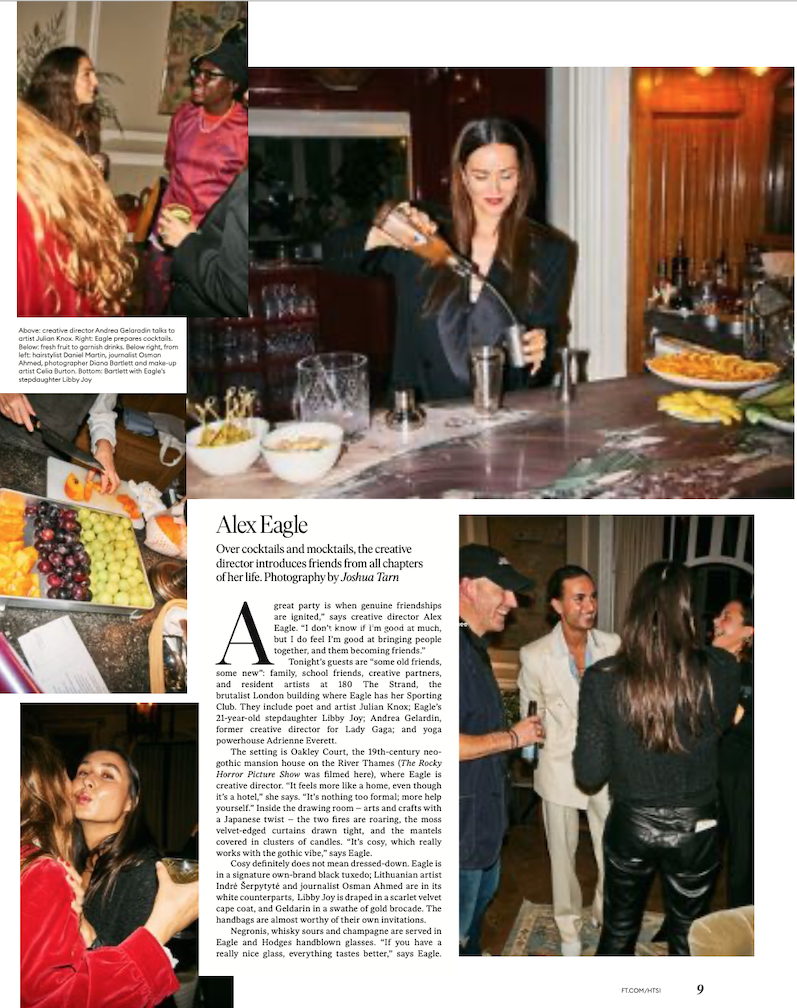
Alex Eagle: ‘It’s cosy, which really works with the gothic vibe’
“A great party is when genuine friendships are ignited,” says creative director Alex Eagle. “I don’t know if I’m good at much, but I do feel I’m good at bringing people together, and them becoming friends.”
The creative director opens the stately Oakley Court to a wide circle of friends
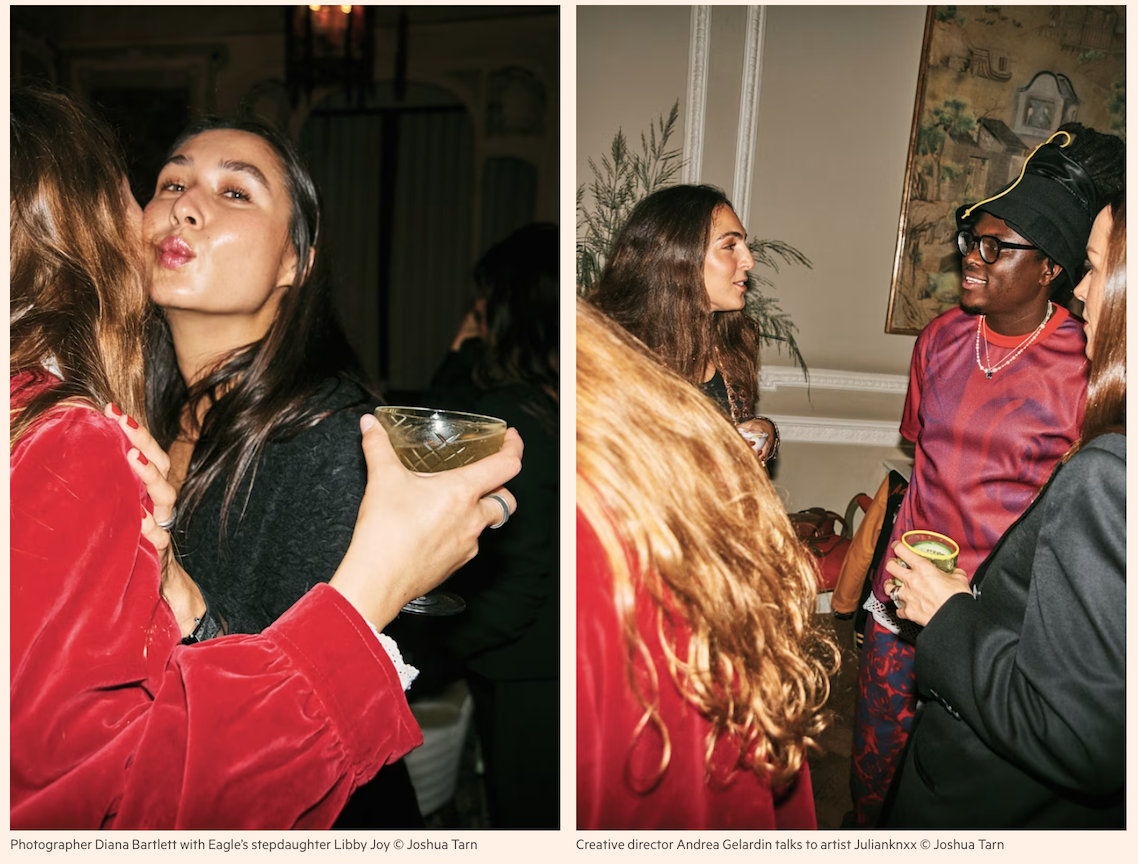
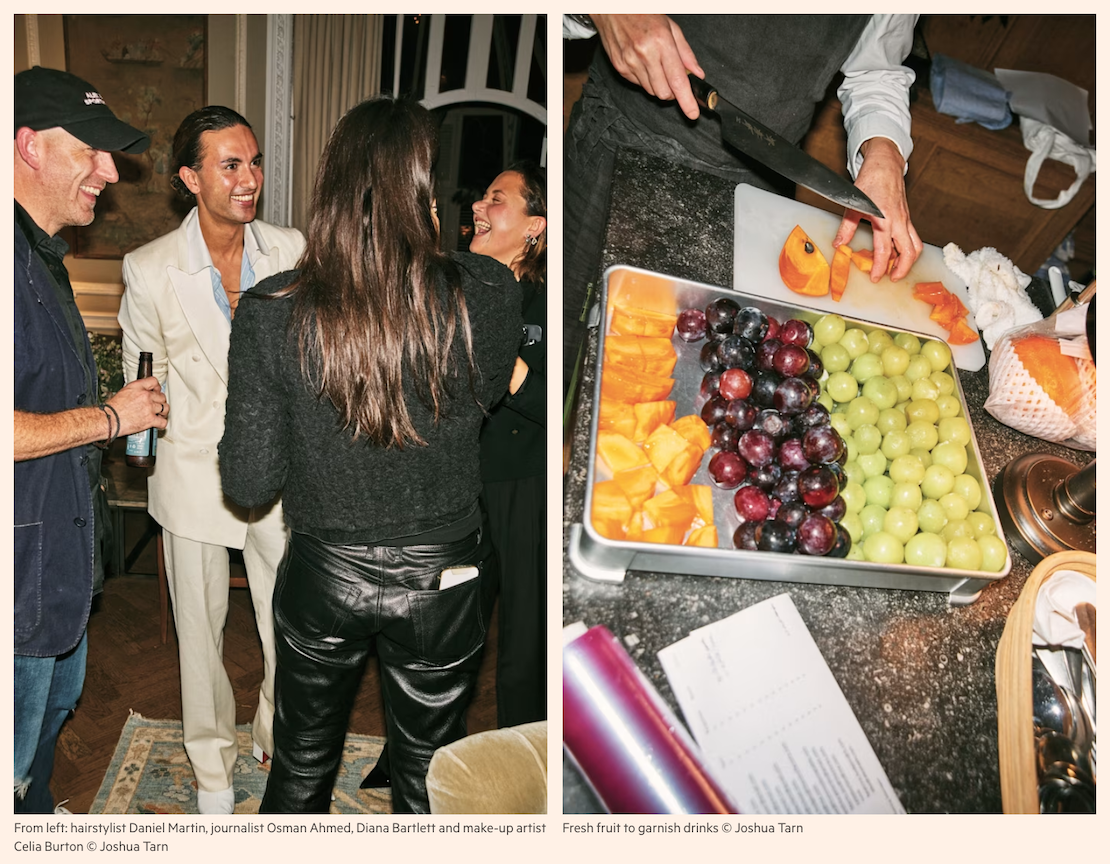
“A great party is when genuine friendships are ignited,” says creative director Alex Eagle. “I don’t know if I’m good at much, but I do feel I’m good at bringing people together, and them becoming friends.”
Tonight’s guests are “some old friends, some new”: family, school friends, creative partners, and resident artists at 180 The Strand, the brutalist London building where Eagle has her Sporting Club. They include poet and artist Julianknxx; Eagle’s 21-year‑old stepdaughter Libby Joy; Andrea Gelardin, former creative director for Lady Gaga; and yoga powerhouse Adrienne Everett.
The setting is Oakley Court, the 19th-century neo-gothic mansion house on the River Thames (The Rocky Horror Picture Show was filmed here), where Eagle is creative director. “It feels more like a home, even though it’s a hotel,” she says. “It’s nothing too formal; more help yourself.” Inside the drawing room – arts and crafts with a Japanese twist – the two fires are roaring, the moss velvet-edged curtains drawn tight, and the mantels covered in clusters of candles. “It’s cosy, which really works with the gothic vibe,” says Eagle.
Cosy definitely does not mean dressed-down. Eagle is in a signature own-brand black tuxedo; Lithuanian artist Indrė Šerpytytė and journalist Osman Ahmed are in its white counterparts, Libby Joy is draped in a scarlet velvet cape coat and Geldarin is in a swathe of gold brocade. The handbags are almost worthy of their own invitations.
Negronis, whisky sours and champagne are served in Eagle and Hodges handblown glasses. “If you have a really nice glass, everything tastes better,” says Eagle. And “nothing too matchy-matchy,” she scoffs. “And lots of different kinds of glasses – I don’t necessarily use a wine glass for wine or a Martini glass for a Martini.” Eagle herself is sipping a (non-alcoholic) Tanqueray Zero and tonic with a sprig of rosemary from the kitchen garden. “Enough bloody elderflower and fizzy water! Now lots of people don’t drink, it’s important to have really good mocktails.” Non-alcoholic Palomas, with fresh grapefruit and soda, are also a “delicious” substitute.
Canapés decorate low tables around the room; small in number but substantial in size. “I’d rather have a plate of less, but where each one is generous. That feels really sumptuous and luxurious,” says Eagle. Tonight’s snacks are jewel-like Japanese bites from Oakley Court’s chef Akira: slivers of salmon and tuna tied with edible ribbons. Each could be one course from the omakase menu he leads in the dining room.
In the corner is a stack of records. “We never have music piped out of the speaker,” says Eagle, “My husband owns the old EMI vinyl pressing plant; he’s mad about vinyl, it’s always records playing. Vinyl makes a big difference; people always interact, choosing records.” It’s one more way for new friendships to begin.
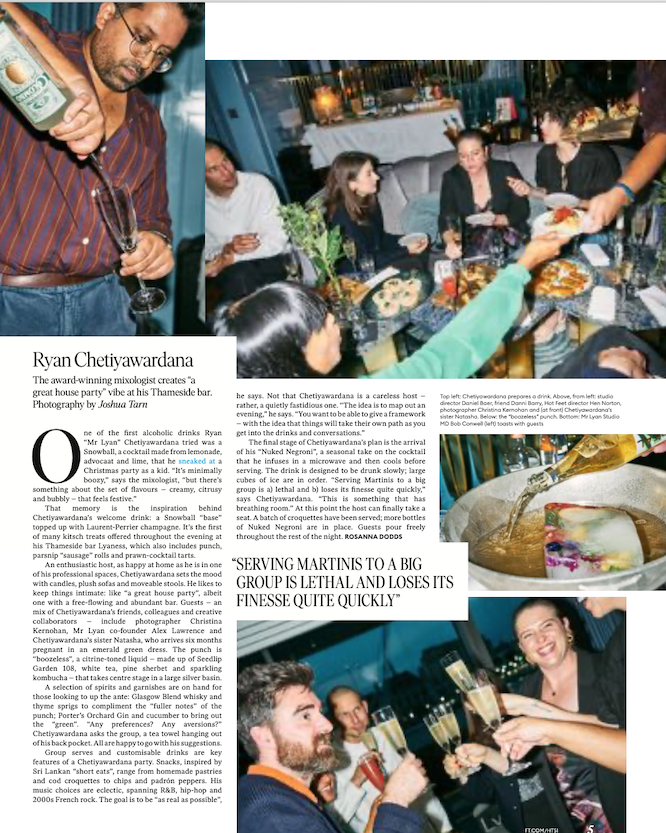
Ryan Chetiyawardana creates a ‘house party’ mood at his Thameside bar
One of the first alcoholic drinks Ryan “Mr Lyan” Chetiyawardana tried was a Snowball, a cocktail made from lemonade, advocaat and lime, that he sneaked at a Christmas party as a kid. “It’s minimally boozy,” says the mixologist, “but there’s something about the set of flavours – creamy, citrusy and bubbly – that feels festive.”
‘Serving Martinis to a big group loses its finesse quite quickly’
One of the first alcoholic drinks Ryan “Mr Lyan” Chetiyawardana tried was a Snowball, a cocktail made from lemonade, advocaat and lime, that he sneaked at a Christmas party as a kid. “It’s minimally boozy,” says the mixologist, “but there’s something about the set of flavours – creamy, citrusy and bubbly – that feels festive.”
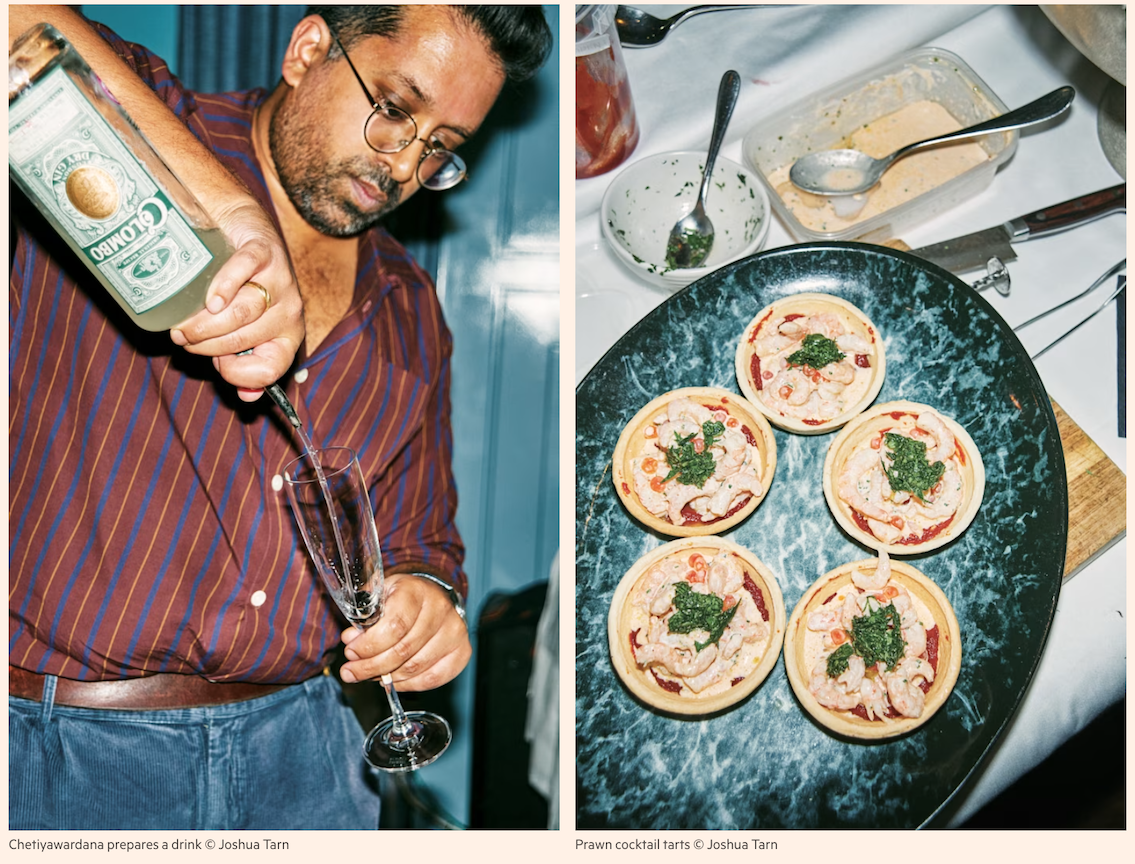
That memory is the inspiration behind Chetiyawardana’s welcome drink: a Snowball “base” topped up with Laurent-Perrier champagne. It’s the first of many kitsch treats offered throughout the evening at his Thameside bar Lyaness, which also includes punch, parsnip “sausage” rolls and prawn-cocktail tarts.
An enthusiastic host, as happy at home as he is in one of his professional spaces, Chetiyawardana sets the mood with candles, plush sofas and moveable stools. He likes to keep things intimate: like “a great house party”, albeit one with a free-flowing and abundant bar. Guests – a mix of Chetiyawardana’s friends, colleagues and creative collaborators – include photographer Christina Kernohan, Mr Lyan co-founder Alex Lawrence and Chetiyawardana’s sister Natasha, who arrives six months pregnant in an emerald green dress. The punch is “boozeless”, a citrine-toned liquid – made up of Seedlip Garden 108, white tea, pine sherbet and sparkling kombucha – that takes centre stage in a large silver basin.
A selection of spirits and garnishes are on hand for those looking to up the ante: Glasgow Blend whisky and thyme sprigs to compliment the “fuller notes” of the punch; Porter’s Orchard Gin and cucumber to bring out the “green”. “Any preferences? Any aversions?” Chetiyawardana asks the group, a tea towel hanging out of his back pocket. All are happy to go with his suggestions.
Group serves and customisable drinks are key features of a Chetiyawardana party. Snacks, inspired by Sri Lankan “short eats”, range from homemade pastries and cod croquettes to chips and padrón peppers. His music choices are eclectic, spanning R&B, hip-hop and 2000s French rock. The goal is to be “as real as possible”, he says. Not that Chetiyawardana is a careless host – rather, a quietly fastidious one. “The idea is to map out an evening,” he says. “You want to be able to give a framework – with the idea that things will take their own path as you get into the drinks and conversations.”
The final stage of Chetiyawardana’s plan is the arrival of his “Nuked Negroni”, a seasonal take on the cocktail that he infuses in a microwave and then cools before serving. The drink is designed to be drunk slowly; large cubes of ice are in order. “Serving Martinis to a big group is a) lethal and b) loses its finesse quite quickly,” says Chetiyawardana. “This is something that has breathing room.” At this point the host can finally take a seat. A batch of croquettes have been served; more bottles of Nuked Negroni are in place. Guests pour freely throughout the rest of the night.
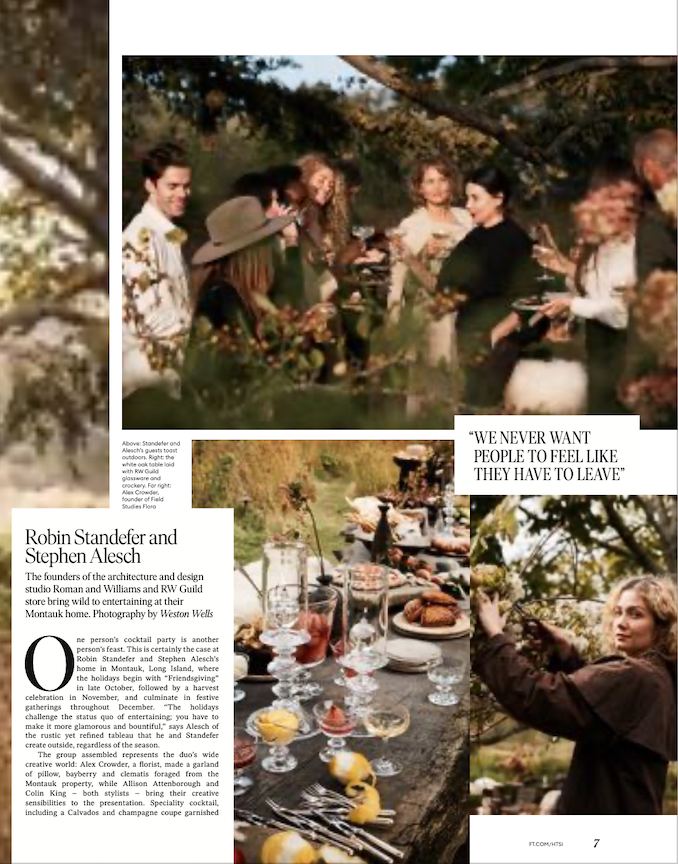
Robin Standefer and Stephen Alesch ‘We never want people to feel like they have to leave’
One person’s cocktail party is another person’s feast. This is certainly the case at Robin Standefer and Stephen Alesch’s home in Montauk, Long Island, where the holidays begin with “Friendsgiving” in late October, followed by a harvest celebration in November, and culminate in festive gatherings throughout December. “The holidays challenge the status quo of entertaining; you have to make it more glamorous and bountiful,” says Alesch of the rustic yet refined tableau that he and Standefer create outside, regardless of the season.
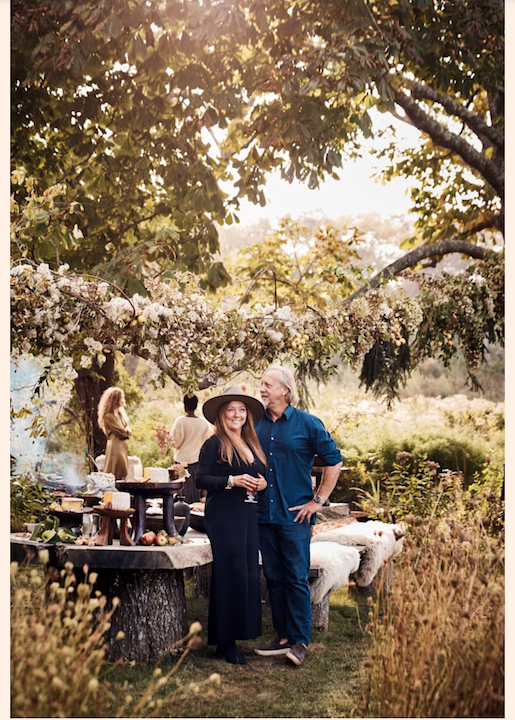
The founders of Roman and Williams and RW Guild take the festivities outside at their Montauk home
One person’s cocktail party is another person’s feast. This is certainly the case at Robin Standefer and Stephen Alesch’s home in Montauk, Long Island, where the holidays begin with “Friendsgiving” in late October, followed by a harvest celebration in November, and culminate in festive gatherings throughout December. “The holidays challenge the status quo of entertaining; you have to make it more glamorous and bountiful,” says Alesch of the rustic yet refined tableau that he and Standefer create outside, regardless of the season.
The group assembled represents the duo’s wide creative world: Alex Crowder, a florist, made a garland of pillow, bayberry and clematis foraged from the Montauk property, while Alison Attenborough and Colin King – both stylists – bring their creative sensibilities to the presentation. Speciality cocktails, including a Calvados and champagne coupe garnished with lemon verbena, and hibiscus rosehip spritzes with rosemary, pomegranate and cranberry-infused ice cubes, get the party started in unexpected ways.
A spectacular slab of white oak, designed by Standefer and Alesch, serves as a centrepiece – one that’s “an artistic installation piled high with apples, hydrangeas and sedge – all from our land”, says Standefer of the “green room” she oversees. Offerings include sharp cheeses from Vermont, a honeycomb from a local beekeeper, figs stuffed with mascarpone and drizzled with honey, bountiful shellfish towers served on an RW Guild platter designed by Heami Lee, and pistachio-garnished rose-vanilla poached pears.
An open fire pit is not only atmospheric – with the scent of juniper logs permeating the air – but is also functional for Alesch, who is a fan of open-flame cooking. “We want any party to be immersive,” says Standefer. “And we never want people to feel like they have to leave, so even if it’s billed as a cocktail party we’ll have the makings of a four-course dinner, right down to the tarte tatin flambée that Stephen cooks on a tile,” she says.
Nothing goes to waste at the end of the evening. “We divvy up everything that’s left over – especially the cheeses, which we wrap in parcel paper – and send our friends on their way,” says Standefer. “We’re sustainable from the food to the setting and that’s important to us. For example, the magnificent garland… I’ll keep that until the squirrels devour it!”
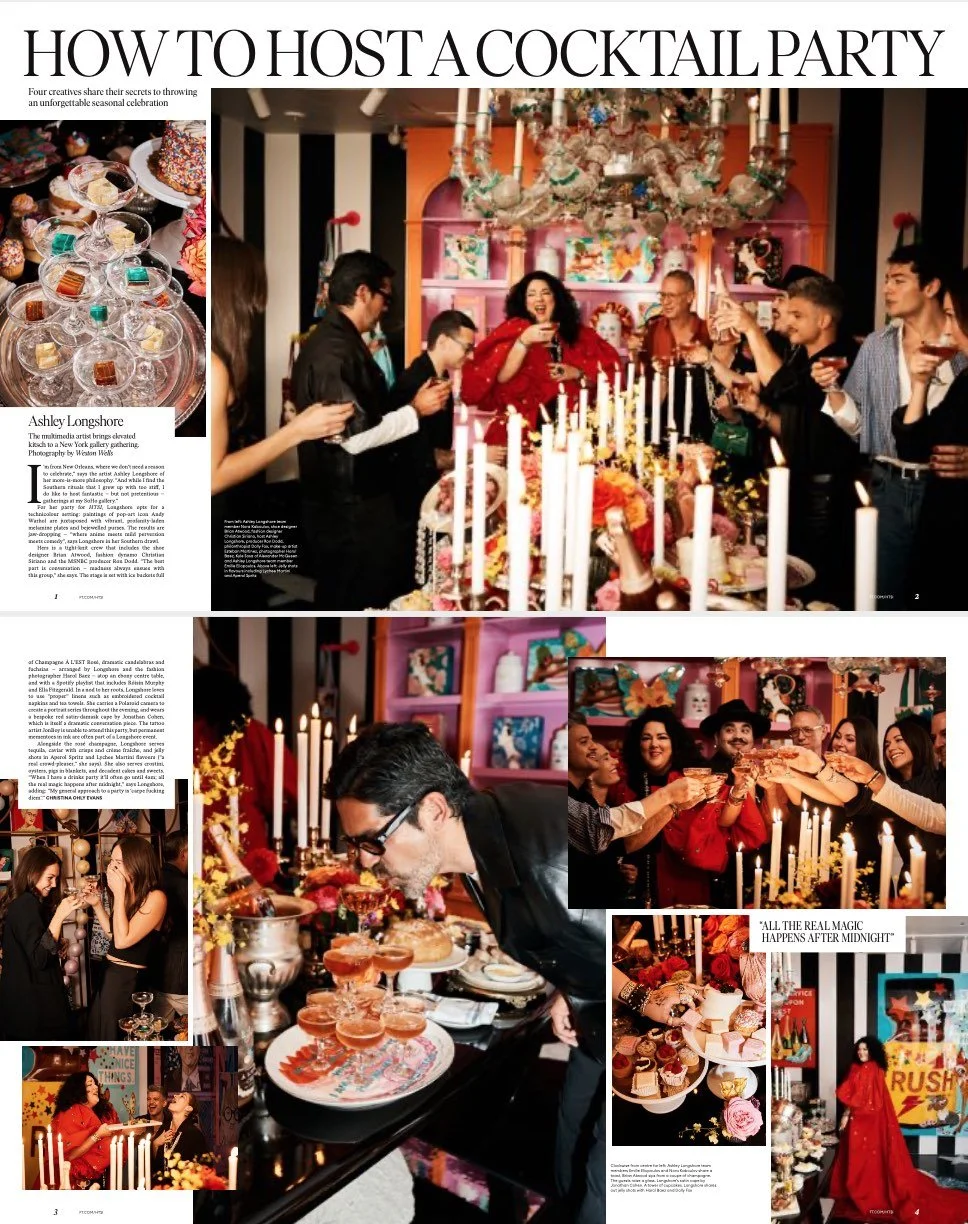
Ashley Longshore ‘All the real magic happens after midnight’
“I’m from New Orleans, where we don’t need a reason to celebrate,” says the artist Ashley Longshore of her more-is-more philosophy. “And while I find the Southern rituals that I grew up with too stiff, I do like to host fantastic – but not pretentious – gatherings at my SoHo gallery.”
The multimedia artist brings elevated kitsch to a New York gallery gathering
“I’m from New Orleans, where we don’t need a reason to celebrate,” says the artist Ashley Longshore of her more-is-more philosophy. “And while I find the Southern rituals that I grew up with too stiff, I do like to host fantastic – but not pretentious – gatherings at my SoHo gallery.”
For her party for HTSI, Longshore opts for a technicolour setting: paintings of pop-art icon Andy Warhol are juxtaposed with vibrant, profanity-laden melamine plates and bejewelled purses. The results are jaw-dropping – “where anime meets mild perversion meets comedy”, says Longshore in her Southern drawl.
Hers is a tight-knit crew that includes the shoe designer Brian Atwood, fashion dynamo Christian Siriano and the MSNBC producer Ron Dodd. “The best part is conversation – madness always ensues with this group,” she says. The stage is set with ice buckets full of Champagne À L’EST Rosé, dramatic candelabras and fuchsias – arranged by Longshore and the fashion photographer Harol Baez – atop an ebony centre table, and with a Spotify playlist that includes Róisín Murphy and Ella Fitzgerald.
In a nod to her roots, Longshore loves to use “proper” linens such as embroidered cocktail napkins and tea towels. She carries a Polaroid camera to create a portrait series throughout the evening, and wears a bespoke red satin-damask cape by Jonathan Cohen, which is itself a dramatic conversation piece. The tattoo artist JonBoy is unable to attend this party, but permanent mementoes in ink are often part of a Longshore event.
Alongside the rosé champagne, Longshore serves tequila, caviar with crisps and crème fraîche, and jelly shots in Aperol Spritz and Lychee Martini flavours (“a real crowd-pleaser,” she says). She also serves crostini, oysters, pigs in blankets, and decadent cakes and sweets. “When I have a drinks party it’ll often go until 4am; all the real magic happens after midnight,” says Longshore, adding: “My general approach to a party is ‘carpe fucking diem’.”
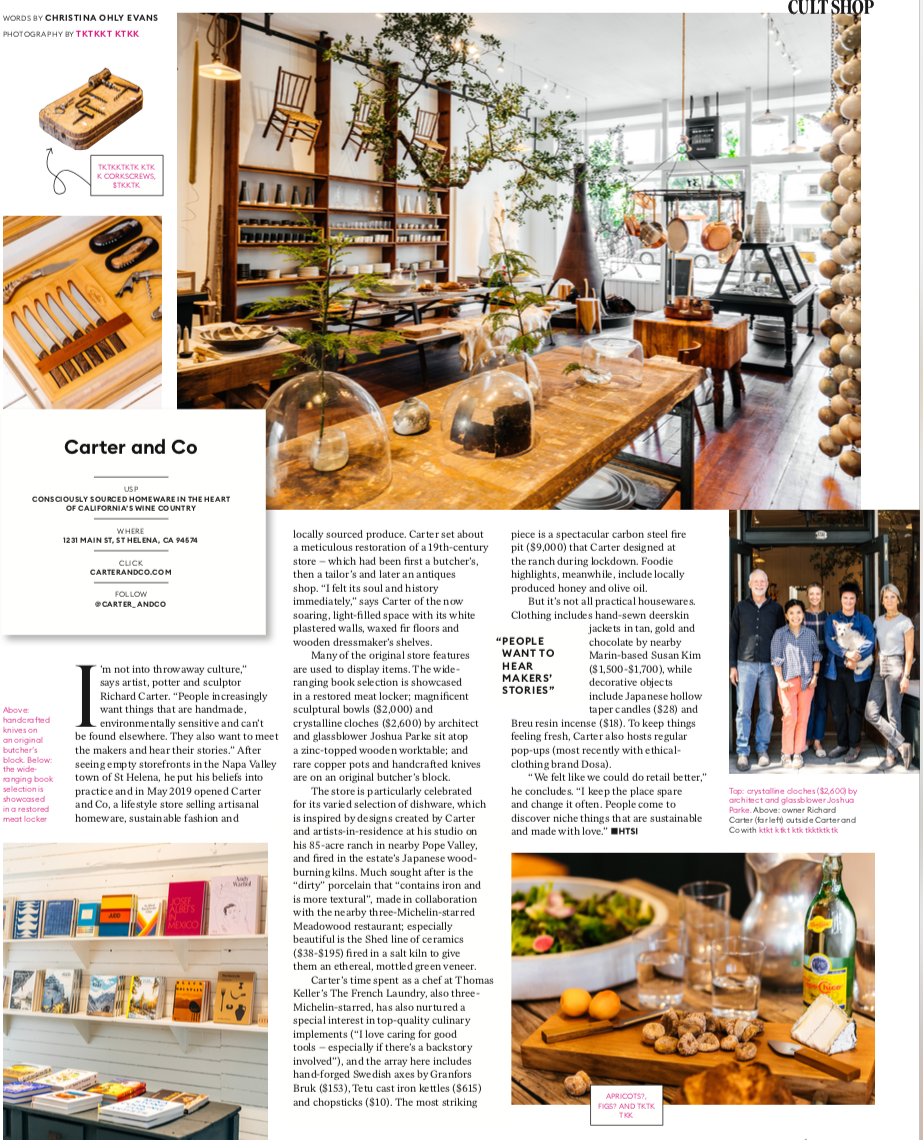
Cult Shop: consciously sourced cool in California wine country
A self-styled antidote to throwaway culture, Carter and Co showcases artisanal homeware, sustainable fashion and local produce
A self-styled antidote to throwaway culture, Carter and Co showcases artisanal homeware, sustainable fashion and local produce
I’m not into throwaway culture,” says artist, potter and sculptor Richard Carter. “People increasingly want things that are handmade, environmentally sensitive and can’t be found elsewhere. They also want to meet the makers and hear their stories.” After seeing empty storefronts in the Napa Valley town of St Helena, he put his beliefs into practice and in May 2019 opened Carter and Co, a lifestyle store selling artisanal homeware, sustainable fashion and locally sourced produce. Carter set about a meticulous restoration of a 19th-century store – which had been first a butcher’s, then a tailor’s and later an antiques shop. “I felt its soul and history immediately,” says Carter of the now soaring, light-filled space with its white plastered walls, waxed fir floors and wooden dressmaker’s shelves.
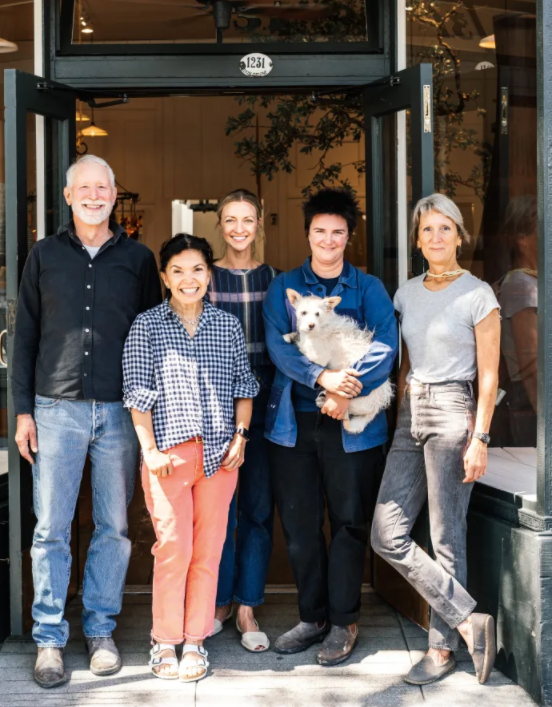
From left, owner Richard Carter, Michelle Neal, Erin Radcliffe, Chelsea Radcliffe with dog Oliver, and Toby Hanson © Emma K Morris A set of six French walnut steak knives, $450 © Emma K Morris

A set of six French walnut steak knives, $450 © Emma K Morris
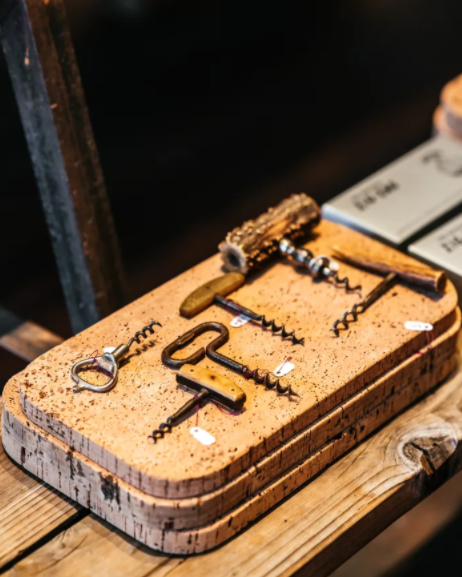
Vintage corkscrews, from $35 © Emma K Morris
Please use the sharing tools found via the share button at the top or side of articles.
Many of the original store features are used to display items. The wide-ranging book selection is showcased in a restored meat locker; magnificent sculptural bowls ($2,000) and crystalline cloches ($2,600) by architect and glassblower Joshua Parke sit atop a zinc-topped wooden worktable; and rare copper pots and handcrafted knives are on an original butcher’s block. The store is particularly celebrated for its varied selection of dishware, which is inspired by designs created by Carter and artists-in-residence at his studio on his 85-acre ranch in nearby Pope Valley, and fired in the estate’s Japanese wood-burning kilns. Much sought after is the “dirty” porcelain that “contains iron and is more textural”, made in collaboration with the nearby three-Michelin-starred Meadowood restaurant; especially beautiful is the Shed line of ceramics ($38-$195) fired in a salt kiln to give them an ethereal, mottled green veneer.
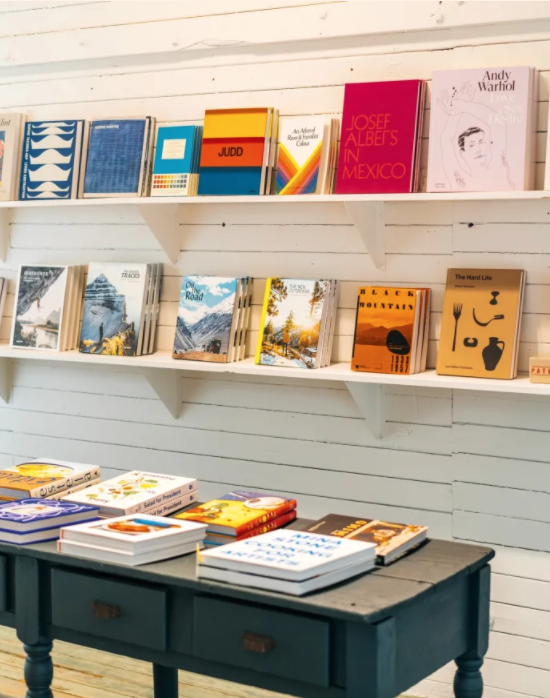
The wide-ranging book selection is showcased in a restored meat locker © Emma K Morris

Millon and Clark walnut board, $184 © Emma K Morris
Carter’s time spent as a chef at Thomas Keller’s The French Laundry, three-Michelin-starred as well, has also nurtured a special interest in top-quality culinary implements (“I love caring for good tools – especially if there’s a backstory involved”), and the array here includes hand-forged Swedish axes by Gransfors Bruk ($153), Tetu cast iron kettles ($615) and chopsticks ($10). The most striking piece is a spectacular carbon steel fire pit ($9,000) that Carter designed at the ranch during lockdown. Foodie highlights, meanwhile, include locally produced honey and olive oil. But it’s not all practical housewares. Clothing includes hand-sewn deerskin jackets in tan, gold and chocolate by nearby Marin-based Susan Kim ($1,500-$1,700), while decorative objects include Japanese hollow taper candles ($28) and Breu resin incense ($18). To keep things feeling fresh, Carter also hosts regular pop-ups (most recently with ethical-clothing brand Dosa). “We felt like we could do retail better,” he concludes. “I keep the place spare and change it often. People come to discover niche things that are sustainable and made with love.”

The 50 greatest food stores in the world
Where to find the best produce on the planet, from classic New York delis and Indian spice emporiums to German sausage shops
Where to find the best produce on the planet, from classic New York delis and Indian spice emporiums to German sausage shops
Tim Auld, Leah Bhabha, Emiko Davies, Christina Ohly Evans, Fiona Golfar, Ajesh Patalay, Charlene Prempeh, Maria Shollenbarger, Rima Suqi

Chicken pot pie at Butterfield Market
Butterfield Market, New York
In business on the Upper East Side for over a century, this market and deli has expanded during Covid-19 to an airy new spot on Madison Avenue with even more room for cases full of delicious prepared foods: jumbo lump-crab cakes, hearty chicken pot pie, traditional Jewish “appetising” and sides galore. Loyal customers head here for the iced French cruller doughnuts (they sell out by noon), fruit tarts and soufflés, as well as freshly baked pizzas. Organic pressed juices, a frozen-yoghurt station and a coffee bar worthy of Italy round this out. Christina Ohly Evans butterfieldnyc.com
Call Your Mother, Washington

“All about the bagel sandwich…”: Call Your Mother © Tim Casey
Set in a hot-pink former flower shop in Washington’s Georgetown neighbourhood, Call Your Mother is all about the bagel sandwich. Bestsellers include The Gleneagle – a za’atar-dusted bagel with lashings of candied salmon cream cheese and shallots – and The Sun City: a pastrami, egg, cheese and spicy-honey breakfast sandwich that can command an hour-long wait. Sandwiches on rye and challah, traditional black-and-white cookies and babka muffins round out this carb-lovers’ dream. COE callyourmotherdeli.com
Farmshop, Santa Monica
The historic Brentwood Country Mart is home to Farmshop, a California-inspired market, bakery and restaurant that highlights the best of artisanal, edible everything. Cheese lovers will delight in Central Coast Creamery’s Goat Gouda, as well as cheddar-style Barely Buzzed rubbed with lavender and espresso beans, while prepared foods including vegetable quiches, hearty soups and gluten-free financiers have earned Farmshop a dedicated fan base. This being LA, shelves are lined with organic oat milk, Saffron Latte Wellness Powder and Turmeric Spice Blend Mylk by Goldyn Glow – and you’ll feel better by just visiting. COE farmshopca.com/santa-monica
Loaves & Fishes, Sagaponack, the Hamptons

Freshly baked bread on the shelves of Loaves & Fishes
Considered the best place in the Hamptons for fine foods to take away, Loaves & Fishes is famed for its grilled citrus salmon, chicken schnitzel and chunky fresh lobster salad. Savour house-made Sicilian pistachio ice cream, salted-caramel spice cake and apricot galettes by beloved proprietress Sybille van Kempen’s pastry team, and stock up on local jams and freshly baked baguettes. COE loavesandfishes.us
Manteigaria Silva, Lisbon
Manteigaria Silva, Lisbon Lisbon’s oldest grocery store is a feast for the senses with its wide array of Serra da Estrela cheeses and dry-cured hams dangling from the rafters, as well as its signature bacalhau (sea salt-cured cod). COE manteigariasilva.pt

Daniel Humm talks personal taste
The Swiss chef and restaurateur, who is behind the new Davies and Brook restaurant at Claridge’s, is invigorated by Russian banya treatments, Pierre Jeanneret furniture and Kyoto’s kaiseki cuisine. Portraits by Harry Mitchell
The Swiss chef and restaurateur, who is behind the new Davies and Brook restaurant at Claridge’s, is invigorated by Russian banya treatments, Pierre Jeanneret furniture and Kyoto’s kaiseki cuisine.
My personal style signifier is clean, white Nike Air Force 1 trainers. These are my one constant and I switch them out frequently. They work with my neutral uniform of white, grey and black T-shirts and jeans, and are comfortable in the kitchen too. From £79.95; nike.com.
The last thing I bought and loved was a pair of black Salomon hiking boots. They weren’t terribly expensive and they give me such pleasure. They’re super‑comfortable, safe and waterproof, so I use them for weekend hikes, everywhere from Aspen to Sun Valley to Switzerland. $165; salomon.com.
On my wishlist is a Cannondale F-Si Hi-MOD World Cup mountain bike. I want to use this sleek black design for cycling in California and in the Palisades, just outside New York City. $11,000; cannondale.com.
The last music I downloaded was Anima by Thom Yorke. All our restaurants have musical inspiration – Miles Davis for Eleven Madison Park, The Rolling Stones for The NoMad and Radiohead for Davies and Brook. When I was first working in the Claridge’s kitchen 27 years ago, I was listening to Radiohead’s first album, Pablo Honey, and Yorke’s music has been the soundtrack to my career.
An unforgettable place I’ve travelled to in the past year is India. I spent six weeks there – a lot of it in Jaipur and Udaipur – and it was life-changing. Everything is different: the weather, the food, the smells, the architecture, the spirituality. I stayed at Samode Haveli, which felt very of the place, and practised yoga and meditation. The crowded markets, people dressed in vibrant colours, the cows and monkeys in the streets… I was out of my comfort zone, but in the best – very freeing – way. samode.com.
And the best souvenir I’ve brought home is the Kangaroo chair by Pierre Jeanneret that I found in Chandigarh. This city, designed by Le Corbusier, is spectacular, and the chair is not only a great piece of design – it also serves as a memento of a special, transformative trip. It now sits in my living room in New York.
A recent “find” is the South Kensington Club in London. You can get a day pass, and the Russian banya – a sauna with steam – is incredible. There’s a traditional treatment where they beat you with branches, plunge you into cold water and then feed you honey. The experience lasts two hours and leaves you feeling incredibly energised. southkensingtonclub.com.
The grooming staple I’m never without is Tom’s of Maine spearmint toothpaste. It’s whitening and contains no artificial flavours or preservatives, and it’s pretty much my go-to no matter where my travels take me. tomsofmaine.com.

A note from Humm’s daughters, a treasured gift | Image: Harry Mitchell
The last meal that truly impressed me was at Brat in east London, a fun place with a casual vibe where they use serious, high-quality ingredients. It’s inspired by Basque cuisine. I had the signature whole roasted turbot from the charcoal grill, as well as perfect anchovies and roasted greens. They also serve a Spanish burnt cheesecake that’s cooked in a wood oven and is not to be missed – it’s incredible. bratrestaurant.com.
My style icon is Mick Jagger. He is just totally cool and has always been ahead of the times, playing fearlessly with fashion. He isn’t afraid to express himself through his clothes.
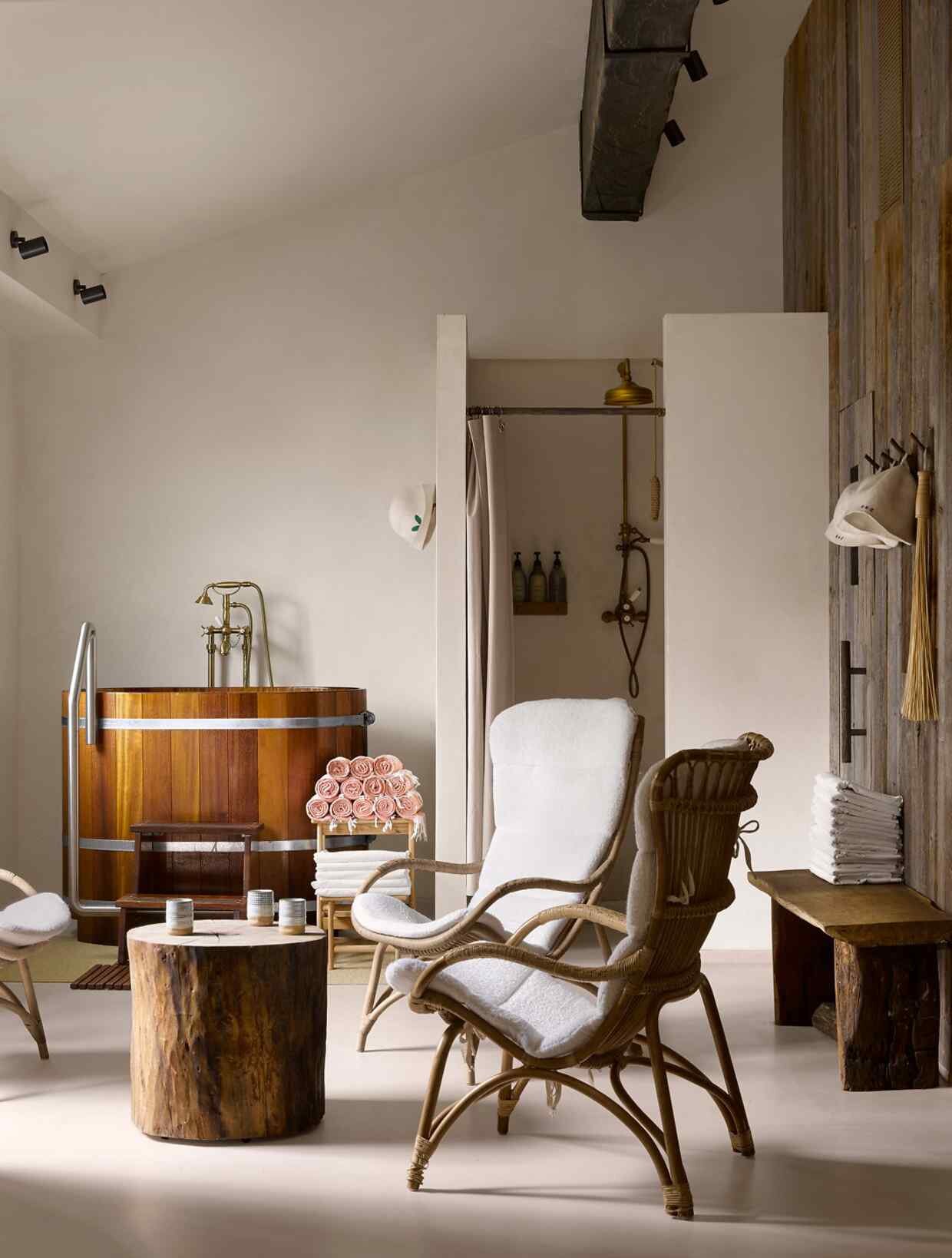
The South Kensington Club
My favourite room in my house is my library, which holds my book collection. It has a Donald Judd table and a pair of Pierre Jeanneret Library chairs that I love, and it’s a very creative, light-filled space. I often draw in here…
The best gift I’ve given recently was a birthday dinner for 20 people, cooked by me, for a very special friend. This was something that they couldn’t buy, and I know all their favourite dishes, so the menu was vegetable-focused.

Jacques Selosse Blanc de Blancs Extra Brut
And the best gift I’ve received recently was a card given to me by my two daughters Colette and Vivienne, who are eight and nine years old. It was an origami-like envelope that they made and filled with sweet notes… Hard to beat that!
The artists whose work I would collect if I could are Mark Rothko and Agnes Martin. I feel like Rothko is a mirror of oneself; his work brings out the viewer’s emotions and, depending on my mood, his paintings either make me melancholy or lift my spirits. Agnes Martin’s work is very architectural in feel and that resonates with me. Her subtle paintings are about memory, beauty, feeling…
The last item of clothing I added to my wardrobe was a dark suede bomber jacket from Prada that I bought in Zürich to wear with jeans and a T-shirt at any time of year. prada.com.
I have a collection of books, particularly those devoted to cooking, architecture and design. From old and antique to beautiful new art books, I have amassed too many to count over the past 30 years, and they fill my shelves in both New York and Switzerland.

Humm in the kitchen at Claridge’s | Image: Harry Mitchell
If I weren’t doing what I do, I would be an architect or an interior designer. I like anything to do with structure and materiality and, having grown up with an architect father, it’s something I always thought about doing. I would also love to be a painter.
My wellbeing gurus are the teachers at the Iyengar Yoga Institute of New York. I have been going there three or four times a week for the past 10 years, and it has changed my health. It’s a very serious, rigid practice – it’s not about being cool, and there is no chit-chat. I also rely on my acupuncturist, Ted Dugas, who is a total body savant. iyengarnyc.org. Ted Dugas, +1917-750 7966.

Humm’s Prada suede jacket | Image: Harry Mitchell
In my fridge you’ll always find Siggi’s yoghurt, berries, coconut water and kombucha. I am also a fan of fresh celery juice, so that’s always on hand, as are organic eggs and Gruyère for omelettes. I like champagne, so I usually have a bottle of Jacques Selosse Blanc de Blancs Extra Brut on hand as well. selosse-lesavises.com.
The gadget I couldn’t do without is my iPhone. I am never on a computer, but I use this as an alarm clock, for keeping my calendar, for photos and emails, navigation, weather, WhatsApp, and for social media. I’d be lost without it.

Gieves & Hawkes in Mayfair
An indulgence I would never forgo is really good sushi. I love Japan, but if I can’t get there, then Sushi Noz in New York is the next best thing. It is mesmerising to have the finest chefs in the world create an omakase meal for you for almost three hours. It’s such a privilege to see an artist working at this level. sushinoz.com.
An object I would never part with is hard to identify. I’m not really very attached to any one material item.
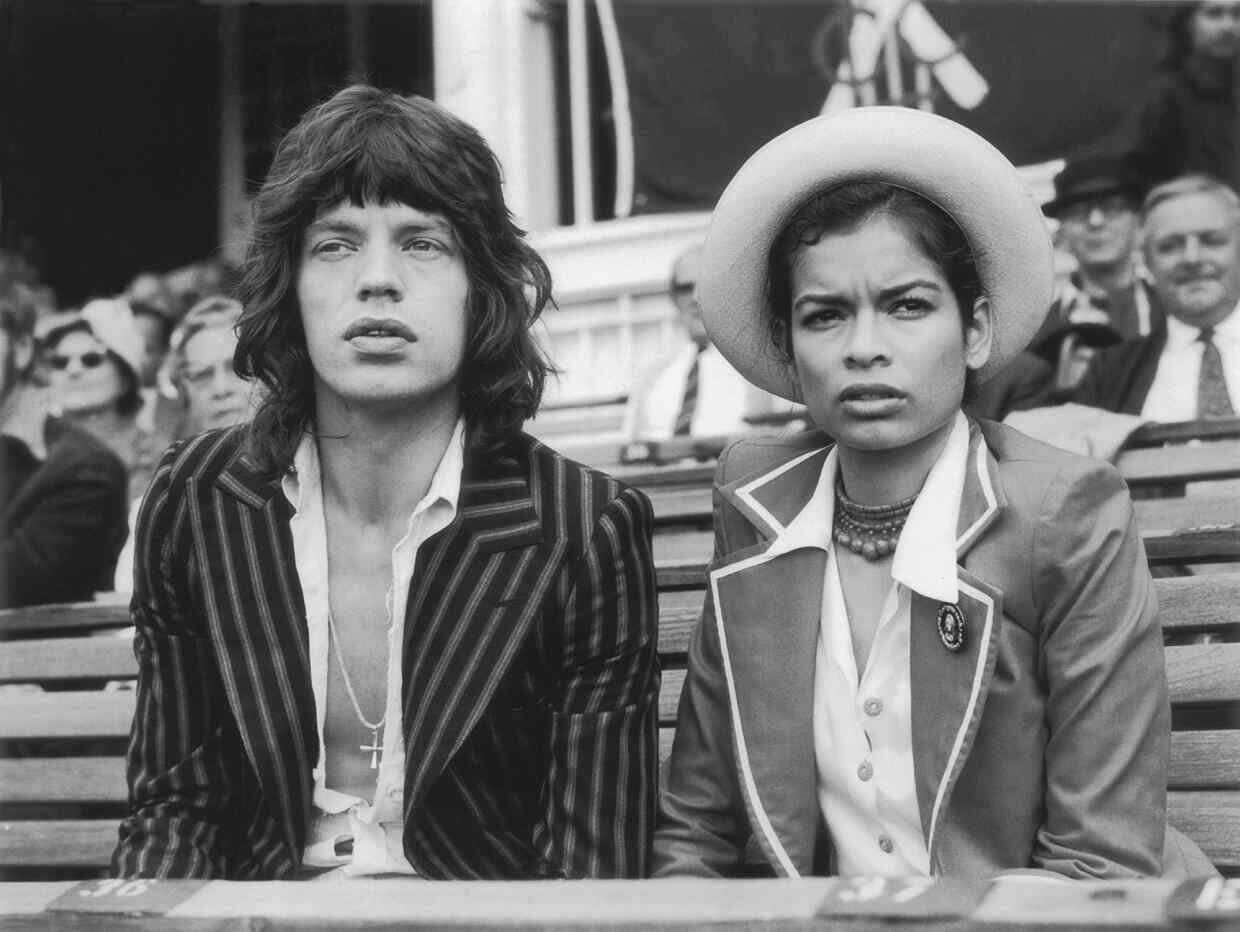
Humm’s style icon Mick Jagger with then wife Bianca | Image: Getty Images
If I had to limit my shopping to one neighbourhood in one city, I’d chooseMayfair in London. I’ve been spending a lot of time there recently and I love Gieves & Hawkes in particular. The whole experience of getting suits made there is incredible. DR Harris in St James’s Street is wonderful for all kinds of creams and soaps, and Heywood Hill is the best for antiquarian books. And after an afternoon of shopping, nothing beats the tea and scones with clotted cream and Marco Polo gelée at Claridge’s. claridges.co.uk. drharris.co.uk. gievesandhawkes.com. heywoodhill.com.
My favourite apps are Citi Bike for getting around New York, and See Saw for navigating contemporary art galleries in cities around the world. It allows you to track openings and favourite artists and even produces a little map with all the galleries in a particular area.
If I didn’t live in New York, I would live in Kyoto. There is a sensitivity in all things here: architecture, nature, where the food comes from, and the people are so gentle and respectful. The temples are amazing: the Katsura Rikyu, Kokedera – or the Moss Temple – and Tofukuji, with its beautiful trees, are among the most sublime. The Ryoan-ji zen rock garden is another super-spiritual place full of stone sculptures, and I’m very happy at Tawaraya Ryokan where you can sleep on the floor in woodland surroundings. Kyoto is famous for kaiseki – multi-course haute cuisine – and Nishikawa is simply the best. Katsura Rikyu, sankan.kunaicho.go.jp. Kokedera, saihoji-kokedera.com. Nishikawa, r.goope.jp/gion-nishikawa. Ryoan-ji, ryoanji.jp/smph/eng. Tawaraya Ryokan, +8175-211 5566. Tofukuji, tofukuji.jp.

A long weekend in Zürich with Daniel Humm
The chef behind Manhattan’s world-beating Eleven Madison Park talks his hometown’s finest – from church spires to scrumptious bratwurst – with Christina Ohly Evans. Portrait by Rita Palanikumar
The chef behind Manhattan’s world-beating Eleven Madison Park talks his hometown’s finest – from church spires to scrumptious bratwurst – with Christina Ohly Evans.
When people think of Zürich, it’s often banks or high-end watches that come to mind, but really it’s a historic, intimate city with an incredible quality of life. What makes it so special – besides the surrounding nature and the fact that it’s so central in Europe – is the Swiss. They’re just good citizens, always polite and respectful of the rules. Most people here speak four languages – or two at a minimum – and travel extensively, which gives them a worldly perspective that I don’t always find elsewhere.
What’s also wonderful about Zürich is that it hasn’t changed: the medieval houses and the Fraumünster church in the old town, with its green steeple, have been left totally alone. These buildings were beautiful when built, and strict architectural codes mean they will remain that way forever. There have been enhancements over time, of course, and the infrastructure is just incredible: trains, trams and buses all run on time, and are all clean and safe – in fact, I don’t think there’s a better public transport system anywhere on earth. To illustrate the point, I took a recent trip on a Swiss train and it ran 12 minutes behind schedule; the conductor explained over the intercom that this delay was due to a problem on the French side, not theirs. The Swiss are never late.

St Peter Church at Christmas time
We are a small country surrounded by Germany, Austria, France and Italy, so there are many influences in terms of culture and food, but at the end of the day we are farmers and that’s reflected in our classic cuisine. You don’t come to Zürich so much for global cuisine, but for sausages and rösti – which have a real sense of place. I don’t want to eat sushi here.
Visitors have a lot of choices when it comes to great hotels. The family-run Baur au Lac is one of my favourites; it’s a really traditional place, not flashy at all, with beautiful views of Lake Zürich and the Alps. It’s good if you need to access the financial district, or for shopping on the nearby Bahnhofstrasse. Its fine-dining restaurant, Pavillon, is in a sort of indoor garden; I always make a point of eating here because the chef is so talented. While the menu changes frequently, his food is always elevated but with a classic foundation.
Another great place to stay is the Widder Hotel in the old town. It’s made up of a series of medieval townhouses that have been cobbled together, and it strikes the balance between old and new perfectly. There are only 49 rooms here and each one is different from the others: some have views of the surrounding cobblestone streets and others have unexpected touches, such as an iconic Eames chair. Taken all together, it’s quite charming. The Storchen Zürich, right on the River Limmat, falls into this quaint category too. It has existed since the 14th century, and while the hotel was recently updated, its signature storks can still be found on the walls and the views of the church spires are fantastic.
Of course, food is central to any Zürich experience, so I like to start the day at John Baker. Yes, that is literally the name of the best bakery in Zürich: it’s co-owned by Jens Jung, an artisan who comes from a long line of bakers – he spent some time at the wonderful Tartine in San Francisco, where he learnt from the best, before coming back here to make breads according to Swiss traditions. Another win for breakfast is the café Confiserie Sprüngli. I particularly like the cakes, the colourful Luxemburgerli macaroons and the chocolate truffle-filled brioche. One of those with a morning cappuccino, is perfection.

The Limmat river flows through the old town
Konditorei culture is very important in Zürich life. Café Schober is a very cute, authentic spot that serves an excellent Gugelhupf, a traditional cake made with almonds and raisins, while Teuscher is the place to go for every imaginable type of chocolate – and a good coffee.
When it comes to restaurants, it’s best to approach things by type of cuisine. Kronenhalle is an institution and in addition to great (and authentically Swiss) food, you’re surrounded by masterpieces by the likes of Picasso and Rauschenberg – even the lights are by Alberto Giacometti. The bar here is an ideal place for a cocktail and beef tartare, before moving on to a dinner of sliced veal with rösti. The service is very old-school; I think it’s an absolute must.

Kronenhalle is a Zürich institution decorated with works by Picasso and Rauschenberg
For a truly Alpine feel, I like Obere Flühgasse in the old town. It’s really tiny, all done in warm woods – and the mixed salad with bacon, consommé and rösti feels very local. In winter, I always order vermicelles – a dessert made of chestnut purée that’s very specific to Switzerland. I had a magnificent steak frites at Wystube Isebähnli, a 25-seat bistro in the old town with a big focus on wines as well (the menu, created using seasonal produce, changes every week). The best food in town, however, is at the bratwurst restaurant Sternen Grill – every local knows this place. It’s great for a veal sausage with a beer, not to mention top people-watching – you’ll see people from all walks of life here.
Beyond the excellent food, this is a city of great churches and museums. The Grossmünster, with its windows by Sigmar Polke, is one of its monumental highlights. St Peter church – which can boast having Europe’s largest tower clock face – is another one to see, as is Fraumünster, which has those beautiful stained-glass windows created expressly for the church by Marc Chagall in the 1970s.

49-room Widder Hotel is made up of a series of medieval townhouses
Whenever I come back from New York, I stock up on things that can only be found here and think it’s a good way to shop. Among the first stops should be Schwarzenbach, purveyor of all kinds of teas, spices, vanilla, dried exotic fruits, nuts and jams. They’re very knowledgeable and I go there to learn. Buchbinderei, a tiny paper store in the old town, is exceptional for stationery and handmade cards. Another one that’s a definite must is the Odeon Apotheke, a gorgeous pharmacy and a good place to buy all kinds of Swiss skincare by super-local brands.
For really motivated shoppers, the 40km drive to Vitra stockist Betz, in Schauffhausen, is totally worthwhile for the Jean Prouvé designs alone. There’s also the Markthalle under the old viaduct in Zürich-West – it’s kind of like London’s Borough Market meets Manhattan’s High Line – and there are all kinds of shops and food vendors tucked into the old arches. It’s fun to see how a formerly industrial part of Zürich has evolved into something very cool.
In terms of cultural institutions, it’s hard to beat either the Kunsthaus Zürich – with its permanent collection that includes works by Cy Twombly and Mark Rothko – or the Pavillon Le Corbusier. This is the last building the architect designed before he died, and it’s a mixture of glass, steel and colourful panels that contrast beautifully with the nature all around. For contemporary art, it’s Hauser & Wirth, set in a great, lofty warehouse space in a relatively unknown part of town, but always showcasing the greats of today.
Outdoor life is another big focus here. People hike, bike and swim in the Limmat river in summer. One of the best places to engage with nature like a local is Flussbad Oberer Letten, near Zürich-West. This is basically a public swimming pool with decking and places to eat, drink or just relax. To get a mix of art and nature, visit the Zürichhorn – a massive public park where you can walk along the shore of the lake and where you’ll find the humorous Heureka sculpture by Jean Tinguely. During the winter months you can travel just one hour from the city and you’ll be skiing.
Because Zürich is so international there are obviously lots of outside influences coming in, but my hope is that the city and its people will focus on the unique things it has to offer. The level of taste here, the overall aesthetic, is so on point, never overdone; you can see it in the work of such brilliant Swiss architects as Peter Zumthor and Herzog & de Meuron. And the cuisine! The cheeses, the yoghurt, the meats; they are really some of the finest in the world. The city should continue to celebrate them, instead of importing sushi.

Mr Chow talks personal taste: Part One
Founder of his eponymous London restaurant, Mr Chow has overseen a global expansion that includes outposts in New York, Miami and LA
Founder of his eponymous London restaurant, Mr Chow has overseen a global expansion that includes outposts in New York, Miami and LA
My personal style signifier is my pair of Mr Chow Spectacles by Cutler and Gross. They are based on the style worn by architects such as IM Pei, and I have worn them for more than 15 years now. From £299; www.cutlerandgross.com.

Hermès tape measure, £285
The last thing I bought and loved was a miniature oil portrait by Peter Blake, a canvas depicting a young girl, which I bought at Christie’s. It has a very special place in my collection. www.christies.com.
And the thing I’m eyeing next is a new tape measure by Hermès, to replace my old one. I carry this small, beautifully made leather measure with me wherever I go. £285; www.hermes.com.

The National Assembly Building in Dhaka, Bangladesh | Image: Getty Images/Science Faction
A recent “find” is the tiny Japanese restaurant Nishimura in Los Angeles. It is located in a serene little garden near the Pacific Design Center and was a completely unexpected surprise. They only serve sushi there, and it is delicious. 8684 Melrose Avenue, Los Angeles, CA 90069 (+1310-659 4770).

1920s Cla-Cla reading table by Emile-Jacques Ruhlmann
The site that inspires me is Louis Kahn’s National Assembly Building in Dhaka, Bangladesh. This majestic parliamentary building is set on the water, and the scale is breathtaking. Also inspirational to me are the chapel of Notre Dame du Haut – or “Ronchamp” – by Le Corbusier, and Gaudi’s Casa Milà in Barcelona.
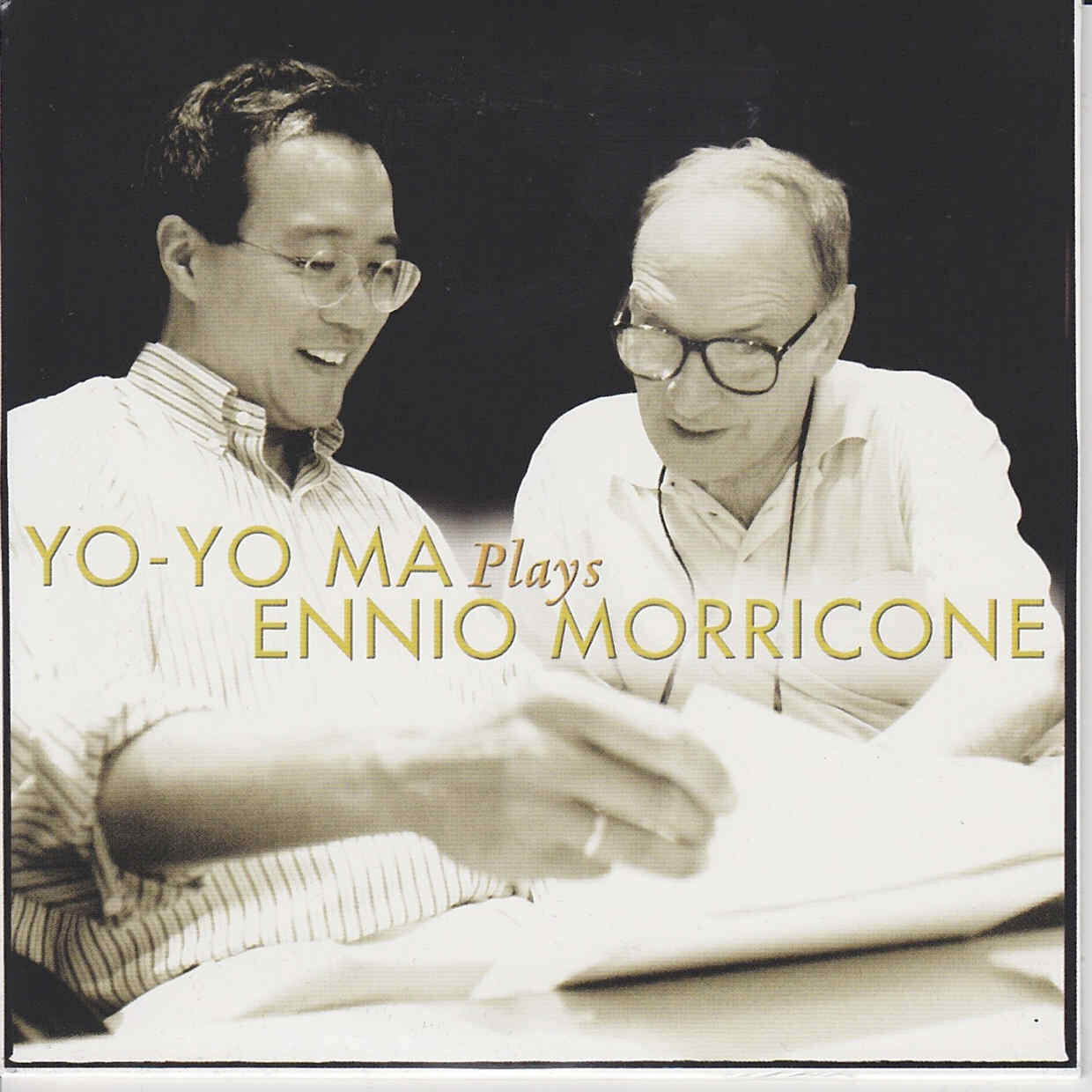
Yo-Yo Ma Plays Ennio Morricone | Image: Simon Watson
The best gift I’ve given recently is a 1920s Cla-Cla reading table by Emile-Jacques Ruhlmann, which I bought at DeLorenzo Gallery for my wife, Eva. I consider Ruhlmann to be the greatest furniture designer of all time and I used to collect his work extensively. 956 Madison Avenue, New York, NY 10021 (+1212-249 7575; www.delorenzogallery.com).

Mr Chow’s ink painting by Qi Baishi | Image: David Ash
And the best one I’ve received is a felt and leather Hermès throw that was given to me by my daughter, China, as a birthday gift. It fits beautifully over the top of a Jean Dunand lacquered table in my sitting room. www.hermes.com.
In my fridge you’ll always find assorted crudités, as well as a bottle of Krug champagne, which I regard as a great luxury. There is also a selection of ingredients for making breakfast, including eggs and Cheddar cheese for the egg-white omelettes I eat every day. www.krug.com.
The books on my bedside table are primarily about art. I am currently reading Lucio Fontana: The Artist’s Materials, about the work of this Argentine artist, and several books about Yves Klein, including Yves Klein: With the Void, Full Powers.
The last music I bought was the CD Yo-Yo Ma Plays Ennio Morricone. Morricone wrote the scores for nearly all of Sergio Leone’s movies, and I’m a big fan of his work. www.enniomorricone.it. www.yo-yoma.com.
An object I would never part with is an ink painting by the man I consider to be the greatest artist of the 20th century, Qi Baishi. My father was a Beijing opera actor and Qi Baishi created this “six fishes” work as a celebration of his 50 years on stage. This artwork and its inscription are incredibly special to me.
An unforgettable place I’ve travelled to in the past year is Basel, a wonderful city that mixes historical architecture with contemporary culture. I loved everything from its grand hotels to the efficient tram system, which reminds me of Shanghai. Among my highlights was the Renzo Piano-designed Beyeler Foundation that’s just outside the city, looking out over rolling hills. It features an incredible collection of works by Calder, Klee and Monet. Most of all, though, I like that this is a city best explored on foot, which makes for a nice change from life in Los Angeles. Baselstrasse 101, CH-4125 Riehen, Basel (+4161-645 9700; www.fondationbeyeler.ch).
The grooming staples I’m never without are Sulwhasoo’s Essential Skin Refiner and Moisturizing Fluid. I am not particular about shampoos or soaps, although I do think that the shape and size of a bar of soap matters. Aesthetics are very important to me. Essential Skin Refiner, $60, and Moisturizing Fluid, $50; us.sulwhasoo.com.

Mr Chow talks personal taste: Part Two
Poker, da Vinci and Hong Kong conclude the restaurateur’s personal style file
Poker, da Vinci and Hong Kong conclude the restaurateur’s personal style file
My style icon is the late actor Gary Cooper. He was beyond elegant, women loved him and his style was eternal. His sensibility, his walk and the way he carried himself are unmatched to this day.
My favourite room in my house is the “gold room”. Gold is typically vulgar, but it isn’t in this sitting room, which contains paintings by Peter Blake, sculptures and an original Murano chandelier that is quite spectacular. This space is a jewel within my house, and it is big, functional, and very well used.

Gary Cooper | Image: Everett Collection/Rex Features
The last meal that truly impressed me was at Balthazar in New York. I went for dinner recently and the restaurant was incredibly lively, and the mix of people was just right. The menu isn’t huge but they do everything so well. We had fruits de mer and steak frites – simple food, but very nostalgic and delicious. 80 Spring Street, New York, NY 10012 (+1212-965 1414; www.balthazarny.com).
An indulgence I would never forego is the game of poker. I think art and poker have a lot in common: you get certain highs and lows from both, and they each force you to exercise your mind. Poker requires split-second decision-making, and I like that you play against yourself.
The one artist whose work I would collect if I could is Leonardo da Vinci. The depth and beauty of his creations is simply apart from everyone else.
The last items of clothing I added to my wardrobe were six pairs of corduroy trousers in various colours that were custom-made for me by Hermès in Paris. All of those colours might have been a mistake... 24 Rue du Faubourg Saint-Honoré, 75008 Paris (+331-4017 4600;www.hermes.com).

The 18th-century Murano chandelier in Mr Chow’s “gold room” | Image: David Ash
The people I rely on for personal grooming and style are Little Joe’s in Beverly Hills for my haircuts – his modest barbershop has a lot of history to it and all of Hollywood goes to him – and George Cleverley for my bespoke shoes. George Cleverley, 13 The Royal Arcade, 28 Old Bond Street, London W1 (020-7493 0443; www.gjcleverley.co.uk). Little Joe’s, 9602 Wilshire Boulevard, Los Angeles, CA 90210 (+1310-271 5363).
My favourite website is YouTube, which I like to look at because I am a very visual person. I prefer to read things in print, as I’m ancient and not well versed in computers. I am, however, young in spirit. www.youtube.com.

George Cleverley Finchley shoes, £2,650
If I had to limit my shopping to one neighbourhood in one city, I’d choose the area surrounding the Spanish Steps in Rome. After setting off from the Hassler Hotel, I like to shop on the Via Condotti at boutiques such as Gucci. The Gagosian Gallery there is also wonderful, as is the Via Veneto nearby. This area is the heart of Rome and it makes me happy just thinking about it. Gagosian Gallery, Via Francesco Crispi 16, 00187 Rome (+3906-4208 6498; www.gagosian.com). Gucci, Via Condotti 8, 00187 Rome (+3906-6790 405; www.gucci.com). Hotel Hassler Roma, Piazza della Trinità dei Monti, 00187 Rome (+3906-699 340; www.hotelhasslerroma.com).
The best souvenir I’ve brought home is a roof tile that I found in Shanghai. I left China as a young teen so, for me, this historical tile is very personal. I consider it a powerful piece of sculpture, as it has a beautiful shape and colour.

The Gagosian Gallery in Rome | Image: Luigi Filetici
If I didn’t live in Los Angeles, the city I would live in is Hong Kong. I just love the idea of it: the weather is great, you can eat the best food on earth and it has literally everything to offer. I like the Peninsula Hotel because it feels nostalgic, with its afternoon tea. I would love to live in The Peak area for the incredible views. Peninsula Hotel, Salisbury Road, Kowloon, Hong Kong (+852-2920 2888; www.peninsula.com).
If I weren’t doing what I do, I would be a conductor, as I like both the precision of creating music of pure, perfect moments and the idea of rehearsals and collaboration. I would like to be Toscanini, but in a new way.

Seafood and sundowners at a beachside bolthole
On the outskirts of Cape Town, this buzzy restaurant is one to bookmark
On the outskirts of Cape Town, this buzzy restaurant is one to bookmark

Just a few minutes outside Cape Town, in the beachside area of Clifton, sits The Bungalow, a buzzy, chic Ibiza-meets-Beverly Hills restaurant accessed via a long drive with spectacular views of the vast expanse of blue sea. It comprises a casual outdoor patio that is all canvas, comfy pillows and reclaimed wood, and a more “formal” indoor room that glimmers with gilt, chandeliers and polished beige marble.

Our group opted for the breezy deck area. Restaurateur and hotelier Paul Kovensky (of Paranga and Zenzero fame) has thought of everything – from menus full of fresh, seasonal fare ideal for sharing, to cozy blankets for chilly evenings and a tiny plunge pool for decoration and late-night fun – and the overall ambience is relaxed and elegant.
No matter how lovely the view, however, in the end it’s all about the food – but how could it possibly match the magical setting? I was nervous, but unnecessarily so. Seafood takes centre stage – for starters there is tuna sushi and saba sashimi, colourful prawn fashion rolls (about £3.50-£5) and Namibian crab claw tempura with a sweet chilli sauce (about £7), or, as a main, native kingklip (about £9) and enormous langoustines. Towering platters of shellfish are perfect to kick off the meal in sculptural, scene-stealing style. Elsewhere on the menu, Bungalow signature salads of farm-fresh lettuces and house-made croutons (about £5.60) followed by simple yet satisfying burgers and steak sandwiches (from about £5.60) make for great midday meals, while grilled lamb cutlets with thyme and rosemary lemon salt (about £10.60) and the venison of the day (about £11) are more substantial.
I was enchanted by the kind (if slightly bumbling) service staff, all of whom answered all our questions – about everything from the crazy cocktails and endless list of South African wines, to the day’s line-fish carpaccio – with smiling warmth.
On to dessert and the restaurant’s devilishly delicious sundae (about £5) had me at “hello”. This profusion of luscious ice cream, caramelised almond brittle and homemade chocolate sauce was a crowd pleaser, plain and simple. Other classics we tried – Eton Mess (about £4), crème brûlée (about £3.50), and a seasonal fruit platter (about £6.50) – paled in comparison. But that was no surprise. What a finale...
The Bungalow, 3 Victoria Road, Clifton, Cape Town +2721-438 5600 ; www.thebungalow.co.za.